A label first, a look second
Shoujo means "girl". It names the audience a magazine is marketed to, the way shounen names boys and seinen names adult men. Shoujo stories cover romance, fantasy, horror and sports, and many readers of other ages and genders read them.
When people say "shoujo style", they mean the visual habits many of those magazines share. You can use them in any genre, and a shoujo story can be drawn in other ways. Keep the two ideas apart when you plan, as our guide to manga art styles explains.
Six traits of the shoujo look
| Trait | What to look for |
|---|---|
| Eyes | Large and tall, with several layered highlights and detailed lashes. Eyes carry most of the emotion. |
| Line | Fine pen lines that taper at each end. Hair is drawn as many separate strands. |
| Figures | Slender, long-limbed, often with a small mouth and nose. |
| Tones | Light gradient screentone, sparkle and bubble patterns, and lots of white. |
| Backgrounds | Often replaced by symbols of feeling: flowers, petals, light, feathers. |
| Panels | Open layouts: overlapping panels, panels without borders, a figure that stands across several panels. |
The panel layout matters as much as the faces. A shounen page often pushes the eye through action. A shoujo page often slows down and gives a single expression or a glance a large, borderless space.
Shoujo next to other styles
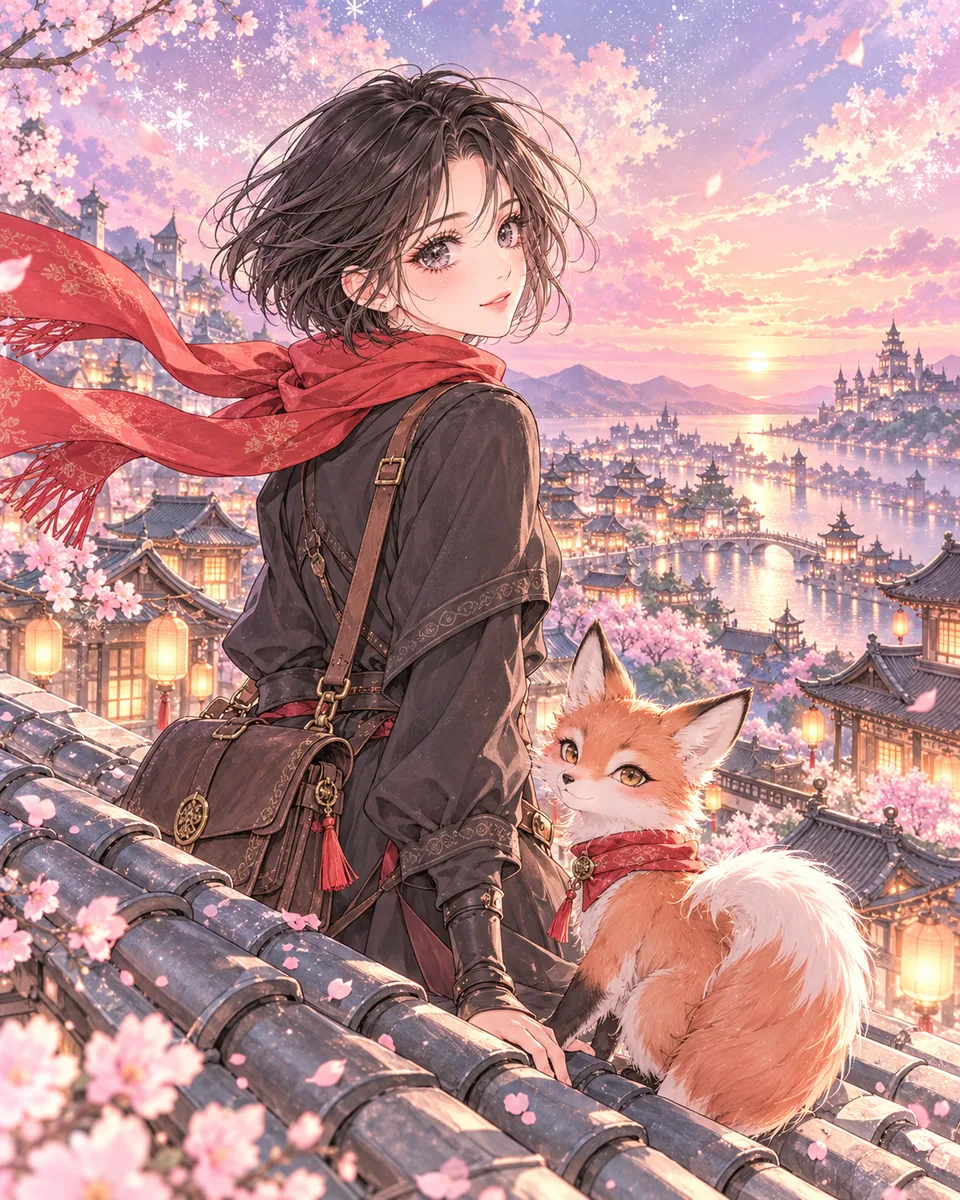 Shōjo romance
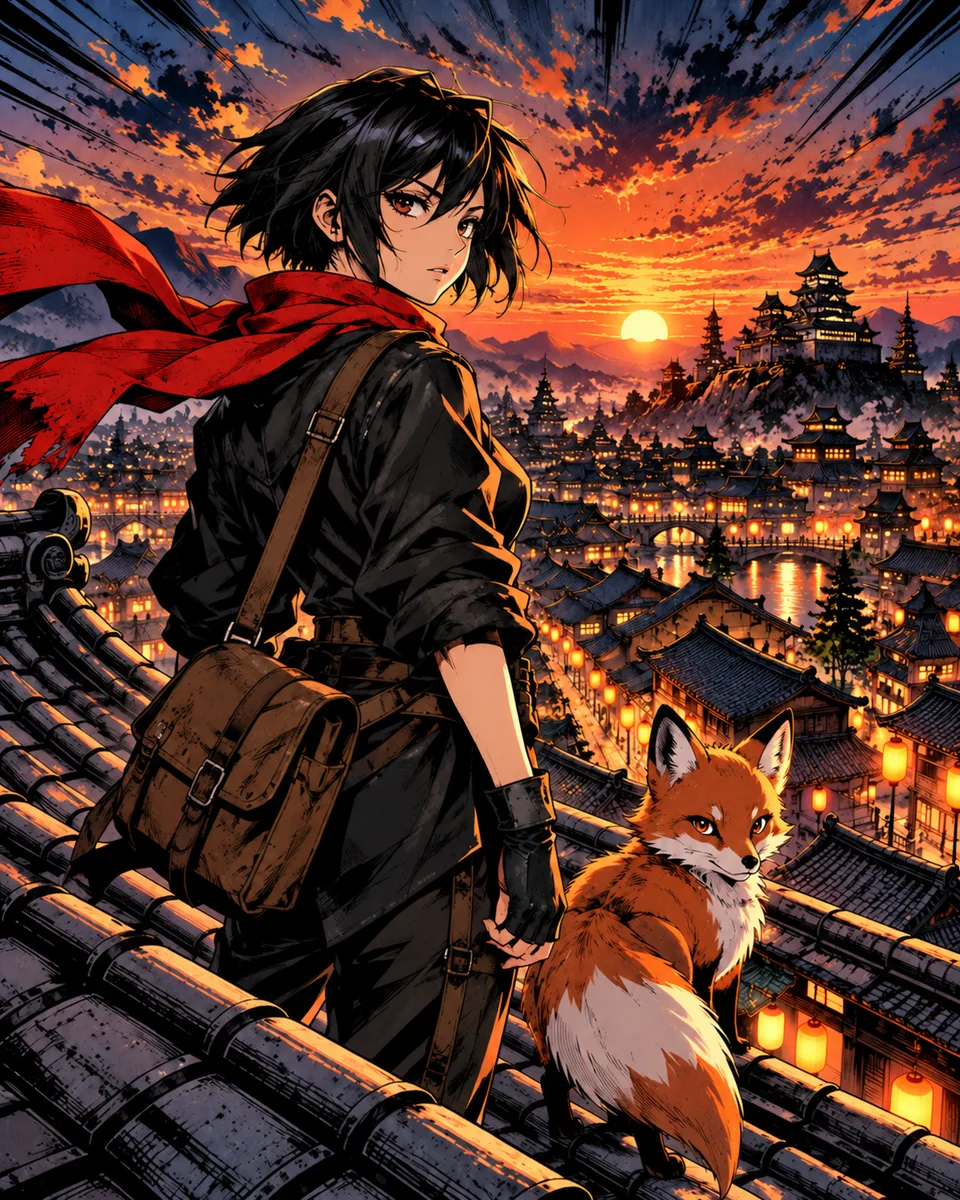 Shōnen action
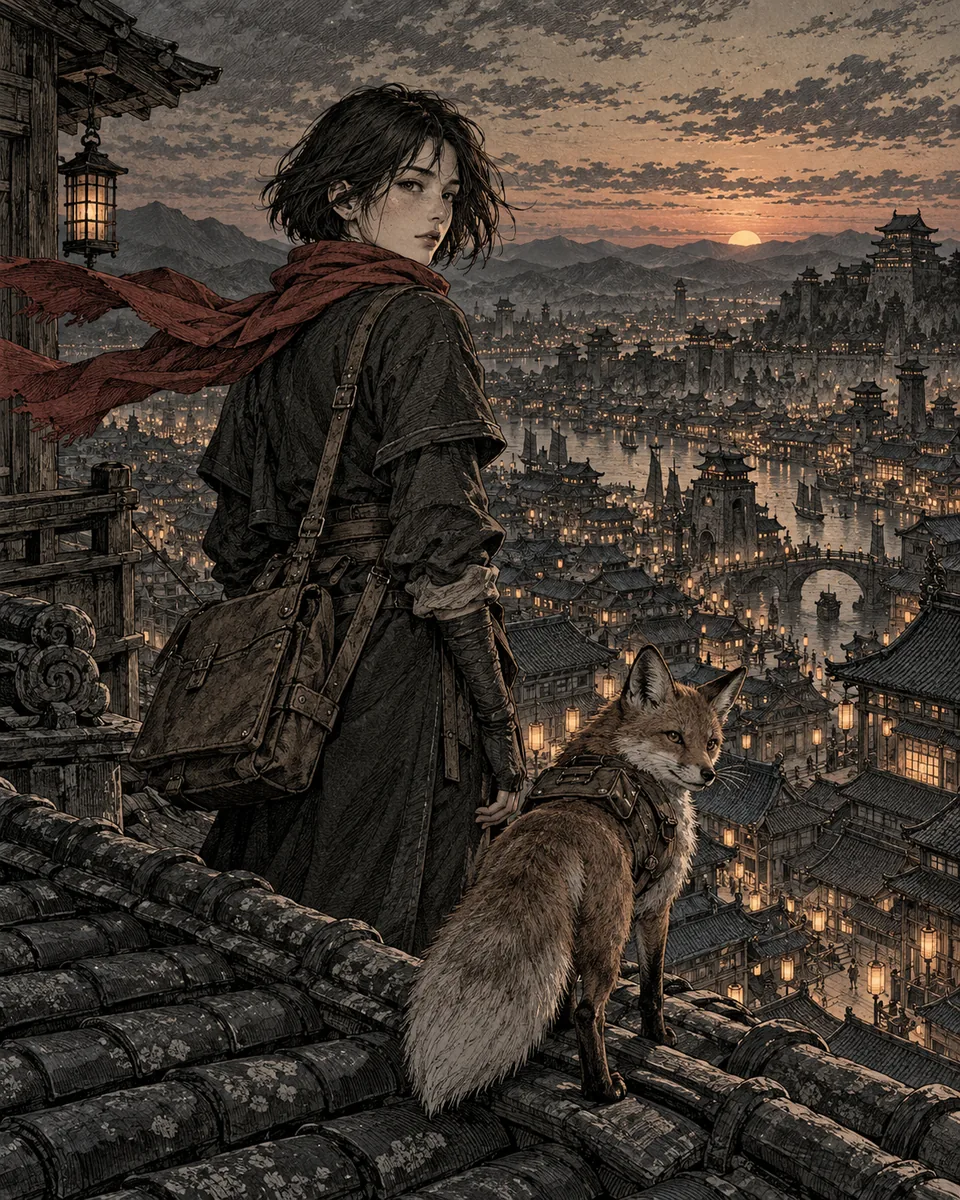 Seinen
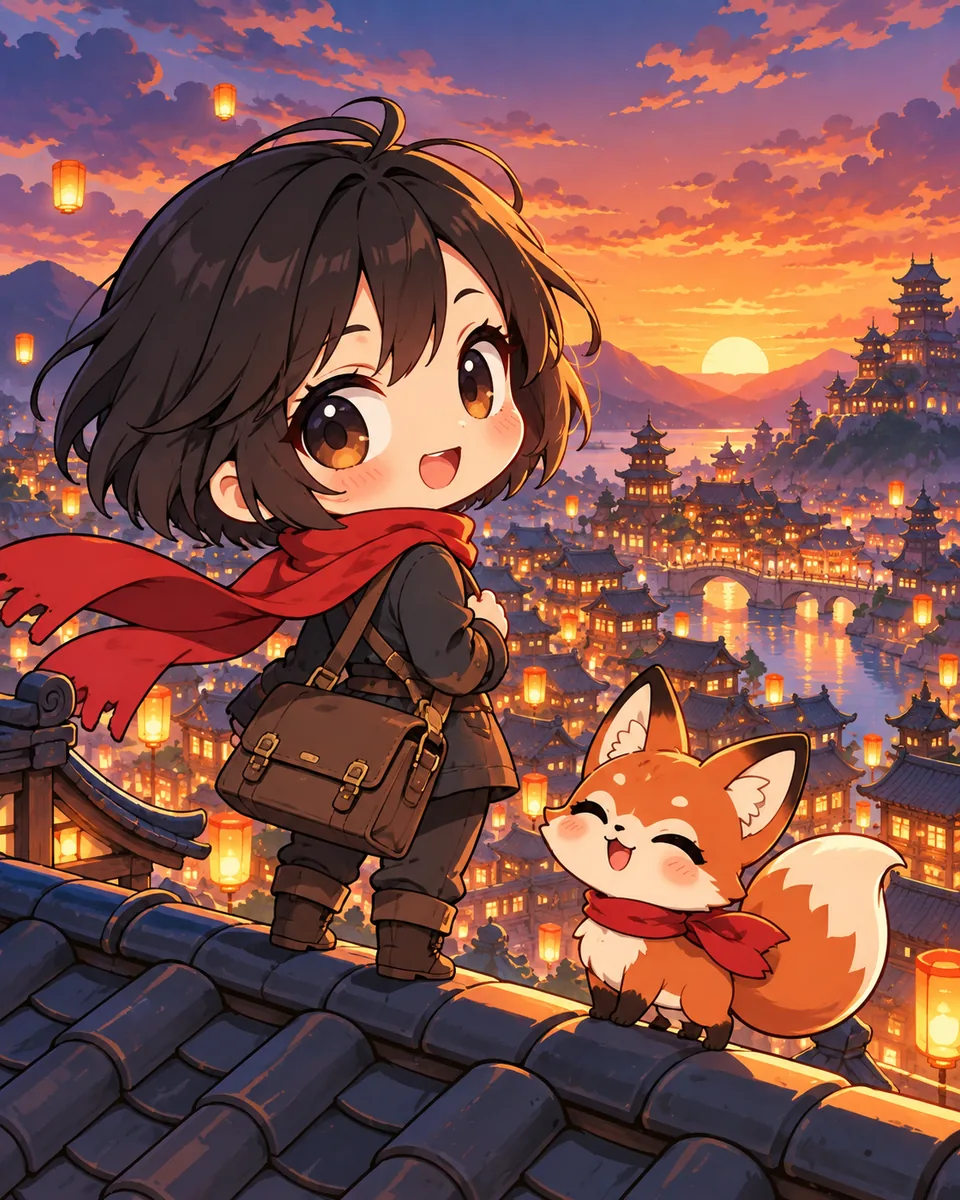 Chibi
ChibiLook at the eyes first. Shōjo romance has the most highlights and the longest lashes. Seinen has the smallest, most realistic eyes. Then look at the background: in the shōjo sample, petals and light fill the air around her.
How to draw or brief the shoujo look
- Start with the eyes. Draw a tall iris, then add two or three highlights of different sizes.
- Use a fine pen and lift at the end of each stroke so lines taper.
- Shade lightly. Leave most of the skin white or a pale tone.
- For a moment of feeling, remove the background and fill the space with flowers, sparkle tone or soft light.
- Let one emotional panel break its border.
Konyomi's Shōjo romance style uses this description. You can adapt it for an artist brief:
Shōjo romance manga style: fine delicate pen linework with thin tapering strokes,
large luminous eyes with layered highlights, long flowing hair drawn in fine separate
strands, slender elegant proportions, light airy shading with soft gradient
screentone, pale pastel color in thin watercolor washes, fine dotted screentone texture.
Watch the size. Fine lines and pale tones can vanish on a phone screen. Check eyes and mouths at the size readers will see them.
Using shoujo style in Konyomi
Pick Shōjo romance on the art-style step after you paste your story. Kon draws the cast in that style and uses those drawings for every panel. Pages are drawn as full-color pages with pastel washes, so you get the shoujo faces and tones in color. See text to manga for the full process.
Common questions
What is shoujo manga style?
It is the look common in manga marketed to girls: large eyes with layered highlights, fine tapering lines, slender figures, light screentone, flowers and sparkles behind characters, and open panel layouts.
Is it shoujo, shōjo or shojo?
All three spell the same Japanese word. Shōjo uses a macron for the long vowel. Shoujo and shojo are common ways to type it without one.
Is shoujo a genre?
No. It is a publishing category named for its target audience. Shoujo manga include romance, fantasy, horror and comedy.
Can Konyomi draw my story in shoujo style?
Yes. Choose Shōjo romance on the art-style step. The choice is saved with the story and applies to the cast and every chapter.
Sources
Konyomi turns a written story into manga, with the same faces on every page.